A family drop zone gives everyday belongings a predictable landing place before they spread through the house. Bags, shoes, coats, sports equipment, lunch boxes, and school papers are easier to manage when each category has a clear home. The most practical family drop zone ideas are built around real arrival habits rather than an idealized picture of perfectly organized family life.
Build the Zone Near the Door You Actually Use
A beautiful storage wall near the front entrance will not solve clutter if everyone comes through the garage or side door. Place the drop zone along the route family members already follow when returning home.
Looking through broader household organization resources can help generate ideas, but the strongest layout starts with observing where bags and shoes currently land without any storage system.
Watch the First Thirty Seconds
Notice what people do immediately after entering. Someone may remove shoes first, another may drop a backpack, and another may head directly toward the kitchen with a lunch box.
That sequence tells you where storage should go.
Give Each Person a Defined Landing Spot
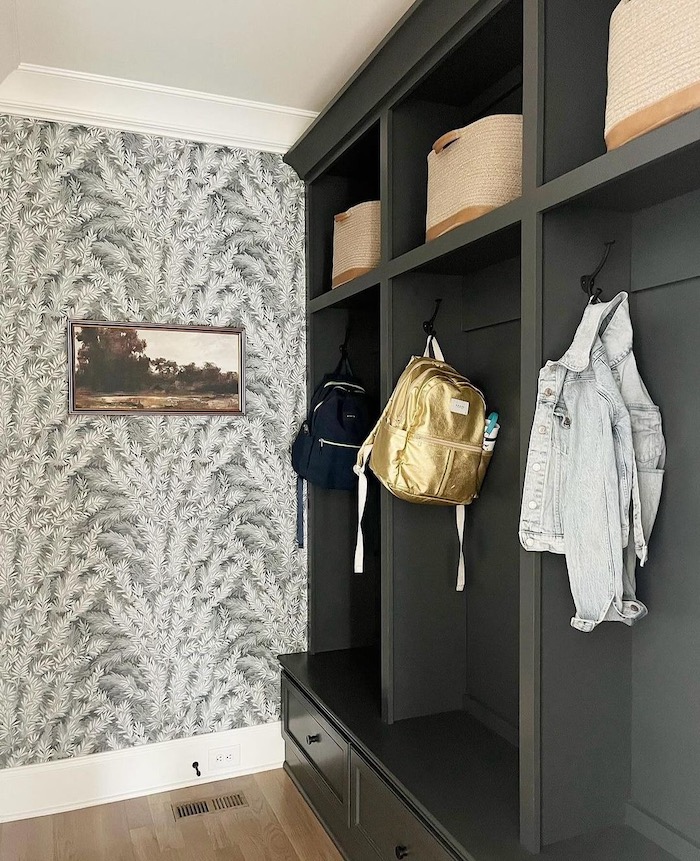
Individual hooks, baskets, shelves, or cubbies can reduce arguments over shared storage. The setup does not need a large built-in cabinet; even a row of labeled hooks above simple baskets can establish clear ownership.
Families comparing property planning guides can also think about vertical space. Walls often provide useful storage without narrowing an already busy walkway.
| Item | Practical Storage | Placement Tip |
|---|---|---|
| Backpacks | Strong hooks | Child-accessible height |
| Shoes | Open cubbies | Near floor level |
| Jackets | Hooks or rail | Leave breathing room |
| Small gear | Baskets | Assign by person |
Separate Daily Gear From Occasional Gear
Trying to store everything near the door can create another form of clutter. The drop zone should mainly hold items used daily or several times a week.
Seasonal sports gear, extra shoes, spare umbrellas, and rarely used bags can move elsewhere. Broader home and landscape ideas may be useful for planning nearby garage, porch, or utility storage so the entry zone does not carry the entire household’s storage burden.
Add a Small Transfer Basket
A basket for items that belong somewhere else in the house can be surprisingly effective. Family members can carry those items to their proper rooms later instead of leaving them on the floor.
Make School Papers Visible but Contained
Loose permission slips, notices, and homework sheets often become the hardest part of an entry zone. A slim wall file or individual folder can hold papers without taking over the main surface.
Keep urgent forms separate from artwork or papers being saved. A single pile quickly becomes difficult to sort when everything has equal visual importance.
Common Drop Zone Mistakes to Avoid
Too many tiny compartments can make a family drop zone harder to maintain. Storage should be obvious enough that someone can put an item away without stopping to decide between several similar bins.
Another mistake is designing for perfect behavior. Children may not open cabinet doors every time they hang up a backpack, and adults may ignore complicated filing systems. Open hooks, visible baskets, and generous shoe spaces usually survive busy routines better than fussy arrangements.
Frequently Asked Questions
How much space does a family drop zone need?
It can fit into a narrow hallway, entry wall, mudroom, or garage transition area. The important part is providing enough accessible storage for the items used most frequently.
Should every family member have separate storage?
Separate spaces usually make ownership clearer, especially for bags, coats, and school gear. Shared storage can still work for common items such as umbrellas, reusable shopping bags, or pet supplies.
What belongs in a family drop zone?
Daily shoes, jackets, backpacks, keys, school papers, and frequently used accessories are good candidates. Bulky seasonal or rarely used equipment is usually better stored elsewhere.
Make the Entry Work With Real Habits
A useful drop zone should make the easiest action the correct action. Put it near the entrance your family uses, give daily belongings obvious homes, and avoid storage that requires too many steps. Once the layout reflects how people actually arrive, keeping bags, shoes, jackets, and school gear under control becomes far less demanding.