
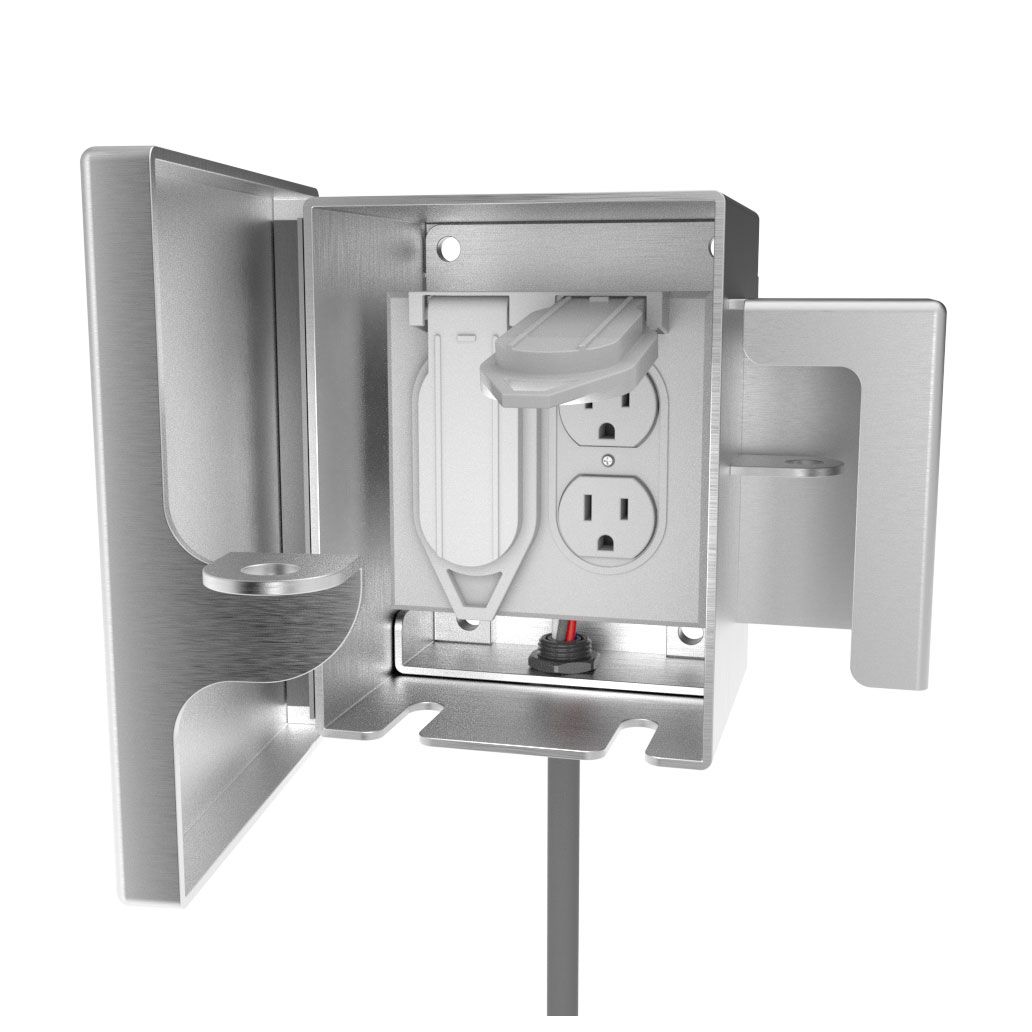
Outdoor electricity is useful for landscaping tools, patio equipment, holiday lighting, cooking areas, and routine maintenance, but exterior receptacles face conditions that indoor devices never see. Weather resistant outlet ideas should therefore start with protection from moisture, corrosion, physical damage, and unsuitable connections.
A dependable exterior setup combines an appropriate receptacle with the right enclosure, cover, placement, and electrical protection. Simply putting an indoor-style outlet outside under a small roof isn’t the same thing.
Start With Equipment Intended for Exterior Conditions
Weather-resistant receptacles are designed for environments where temperature changes and moisture can affect electrical hardware. Look for products specifically identified for the intended location rather than assuming any modern receptacle is suitable outdoors.
The surrounding box, gasket, cover, and mounting method matter as well. Water entering around the enclosure can defeat an otherwise sensible outlet choice.
Exterior planning often works better when receptacles are considered alongside siding and architectural details. Exterior wall inspiration can provide a visual starting point, but electrical suitability should determine the final hardware and position.
Match the Cover to How the Outlet Is Used
An outlet that remains empty most of the year has different exposure than one powering patio lights for several weeks. Covers are available in configurations intended to provide protection while the receptacle isn’t being used and in configurations that shield connections while plugs remain inserted.
That distinction matters because an open cover may expose the receptacle whenever a cord is connected. Choose an enclosure suitable for the expected conditions and use.
Looking at outdoor layout concepts may help identify where power is genuinely useful before boxes are placed around a patio or exterior wall.
| Exterior Feature | Purpose | Planning Priority |
|---|---|---|
| Weather-resistant receptacle | Handles outdoor exposure | Correct rating |
| Protective cover | Shields connection | Plugged/unplugged use |
| Gasketed box | Limits moisture entry | Proper sealing |
| GFCI protection | Reduces shock hazard | Correct installation |
Choose Locations That Reduce Everyday Problems
A well-placed exterior outlet can eliminate extension cords running through doorways or across paths. Useful locations may include patios, porches, garages, landscaped areas, and places where maintenance equipment is regularly connected.
Don’t position receptacles where irrigation repeatedly sprays them if a better location is available. Also consider snow, standing water, furniture, grills, and future landscaping.
Broader outdoor home-planning ideas can help reveal how the space may be used after the electrical work is finished.
Combine Weather Protection With Electrical Protection
Weather resistance and ground-fault protection address different risks. An exterior receptacle can require both an appropriate outdoor-rated device and electrical protection suitable for a location where moisture may be present.
Covers should close properly, plugs should fit without forcing the enclosure, and damaged cords shouldn’t be treated as acceptable simply because the outlet itself is protected. Exterior electrical safety depends on the whole connection.
Permanent additions or alterations to outdoor circuits should follow applicable local electrical requirements. An electrician can also evaluate grounding, circuit capacity, GFCI protection, box suitability, and other conditions that aren’t obvious from the exterior.
Outdoor Outlet Mistakes to Avoid
A common error is focusing on the receptacle while ignoring the cover and box. Outdoor performance depends on all of these pieces working together.
Another mistake is using indoor extension cords outside or leaving temporary cords in place as though they were permanent wiring. Cracked covers, loose boxes, damaged gaskets, and receptacles that no longer hold plugs securely deserve attention rather than cosmetic fixes. Moisture and electricity leave little room for improvisation.
Frequently Asked Questions
Is a weather-resistant outlet the same as a waterproof outlet?
Not exactly. Exterior electrical equipment is designed for defined exposure conditions, but that doesn’t mean it can be submerged or ignored during flooding. Correct enclosure and installation remain necessary.
Do outdoor outlets need covers?
Outdoor receptacles generally require suitable protective enclosures for their location and use. The correct cover depends partly on whether the outlet must remain protected while a cord is plugged in.
Can I use an indoor power strip on a covered patio?
Use electrical equipment only where its manufacturer permits. A roof doesn’t automatically turn a patio into an indoor environment, especially where moisture, humidity, or wind-driven rain can reach equipment.
Treat the Entire Connection as One System
Safer exterior power comes from combining suitable receptacles, covers, boxes, placement, cords, and circuit protection rather than relying on one weather-resistant label. Decide what will be plugged in and how long it will stay connected before selecting hardware. For permanent exterior wiring, professional installation is a sensible way to make sure the parts work together under actual outdoor conditions.


