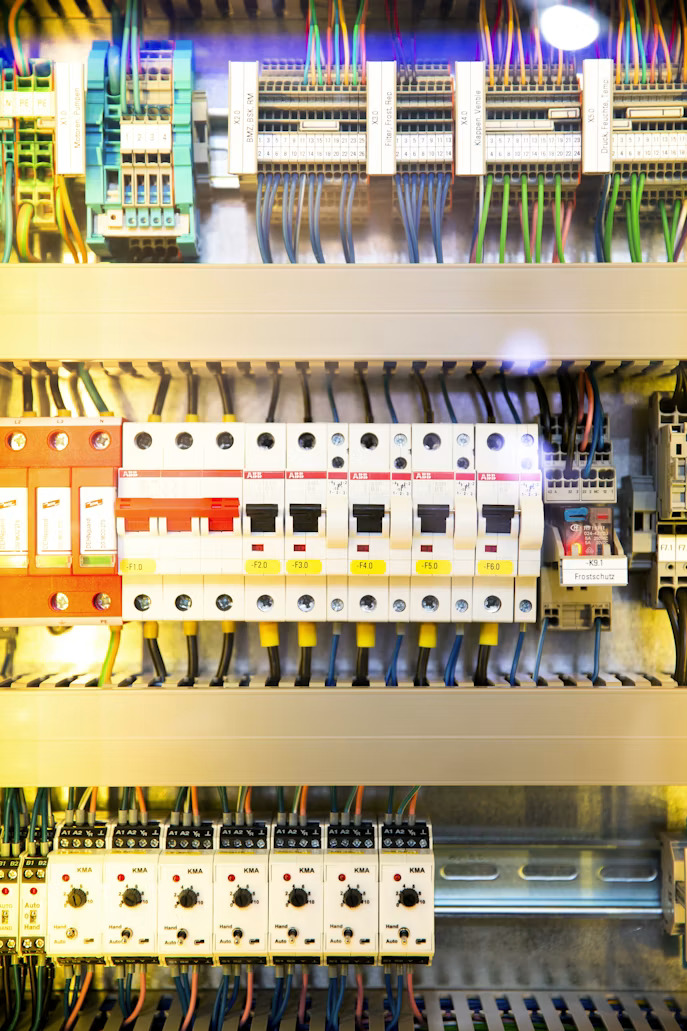
Many homeowners enjoy tackling do-it-yourself projects around the house. Painting walls, assembling furniture, or fixing a leaky faucet can be satisfying and cost-effective. However, electrical work is an entirely different matter. While replacing a light bulb or resetting a circuit breaker is generally safe, many electrical repairs require specialized knowledge, tools, and training.
Attempting complex electrical work without the proper experience can lead to electrical shocks, fires, damaged appliances, and costly repairs. Knowing when to step back and call a professional electrician can protect your home, your family, and your investment.
Why DIY Electrical Repairs Can Be Risky
Electricity is not always predictable. Even when the power appears to be turned off, hidden wiring issues or improper testing can create dangerous situations. A small mistake during an electrical repair may not show immediate consequences but can develop into serious hazards over time.
Loose connections, incorrectly sized wires, or improperly installed outlets can overheat behind walls without obvious warning signs. These hidden problems often become the cause of electrical fires months or even years later.
Professional electricians receive extensive training to diagnose problems accurately and complete repairs according to current electrical codes.
Frequent Circuit Breaker Trips
An occasional breaker trip is normal, especially if a circuit becomes overloaded. However, if your breaker continues to trip repeatedly, it usually indicates a larger problem within the electrical system.
Possible causes include overloaded circuits, damaged wiring, faulty appliances, or a failing electrical panel. Simply resetting the breaker without identifying the underlying cause can allow the issue to worsen.
A professional electrician has the equipment needed to test circuits safely and determine why the breaker continues to trip.
Flickering Lights Throughout the Home
If a single light flickers, replacing the bulb may solve the problem. However, if multiple lights flicker or dim regularly, especially when appliances turn on, there may be a problem with your wiring or electrical panel.
These symptoms often indicate loose connections, overloaded circuits, or voltage fluctuations that require professional diagnosis. Ignoring them may eventually lead to more significant electrical failures.
Burning Smells or Smoke
A burning odor coming from outlets, switches, or your electrical panel is one of the most serious warning signs you can encounter.
Electrical components may overheat because of loose wiring, overloaded circuits, or damaged insulation. If you notice a burning smell, immediately turn off power to the affected area and avoid using the outlet until it has been inspected.
Never attempt to repair overheating electrical components without proper training.
Warm Outlets and Switches
Electrical outlets and switches should remain cool during normal use. If they become warm, hot, or show discoloration, there is likely excessive heat building inside the wiring.
This may result from loose electrical connections or overloaded circuits. Continuing to use these outlets increases the risk of electrical fires.
A qualified electrician can safely inspect the wiring and replace damaged components before they become dangerous.
Buzzing or Crackling Sounds
Electricity should operate silently. Buzzing, humming, or crackling noises from outlets, switches, or breaker panels usually indicate loose wiring or electrical arcing.
Arcing occurs when electricity jumps between gaps in damaged or loose connections, producing heat that can ignite surrounding materials.
These sounds should never be ignored or repaired without professional expertise.
Installing New Circuits or Outlets
Many homeowners eventually need additional outlets for home offices, entertainment systems, or kitchen appliances. While installing an outlet may appear simple in online tutorials, it involves safely connecting wiring, calculating circuit loads, and ensuring compliance with electrical codes.
Improper installation can overload circuits or create unsafe wiring conditions.
For projects involving new circuits, homeowners often rely on Edison Electric to ensure installations are completed safely and correctly.
Electrical Panel Upgrades
Electrical panels distribute power throughout the home and serve as the heart of the electrical system. Replacing or upgrading a panel requires specialized knowledge and involves working with high-voltage components.
Attempting this type of repair without proper training can result in severe injury or extensive property damage.
Professional electricians understand local code requirements and ensure the panel is properly sized for the home’s electrical demands.
Rewiring Older Homes
Older homes often contain outdated wiring that no longer meets modern safety standards. Knob-and-tube wiring, aging copper wiring, or aluminum wiring may all require upgrades.
Whole-home rewiring is a complex project involving hidden wiring behind walls, ceilings, and floors. It requires careful planning and professional installation to ensure long-term safety.
DIY rewiring is not recommended because mistakes may remain hidden for years before creating serious hazards.
Installing Large Electrical Appliances
Major appliances such as electric ranges, water heaters, HVAC equipment, and electric vehicle chargers often require dedicated electrical circuits.
Installing these appliances involves more than simply plugging them in. Proper circuit sizing, breaker selection, and wiring installation are necessary to prevent overloads and equipment damage.
Professional installation ensures these systems operate safely and efficiently.
Outdoor Electrical Projects
Outdoor electrical work presents additional challenges because equipment must withstand rain, snow, temperature changes, and moisture exposure.
Installing landscape lighting, outdoor outlets, security lighting, or pool equipment requires weather-resistant materials and proper grounding.
Errors made during outdoor electrical work increase both shock hazards and fire risks.
Troubleshooting Hidden Electrical Problems
Some electrical problems are difficult to diagnose because they occur intermittently. Lights may flicker only occasionally, outlets may stop working randomly, or breakers may trip without any obvious reason.
Professional electricians use specialized testing equipment to locate hidden faults behind walls and inside electrical panels. This allows them to identify problems quickly while avoiding unnecessary damage to the home.
Protecting Your Home and Insurance Coverage
Improper electrical work can sometimes affect homeowners insurance coverage if damage occurs as a result of unauthorized repairs. Many insurance companies expect major electrical work to be completed according to local building codes by qualified professionals.
Hiring an experienced electrician helps ensure repairs are completed correctly and safely while protecting the long-term value of your home.
For homeowners planning electrical repairs or upgrades, working with a Professional Electrician provides peace of mind that the work meets safety standards and local regulations.
DIY projects can be rewarding, but electrical work is an area where professional expertise truly matters. While simple tasks like changing light bulbs or resetting breakers are generally safe, anything involving wiring, electrical panels, new circuits, or persistent electrical problems should be handled by a licensed electrician.
Knowing when to call a professional not only protects your home from costly damage but also reduces the risk of electrical fires, equipment failure, and personal injury. Investing in qualified electrical services today helps ensure your home’s electrical system remains safe, reliable, and ready for years to come.