
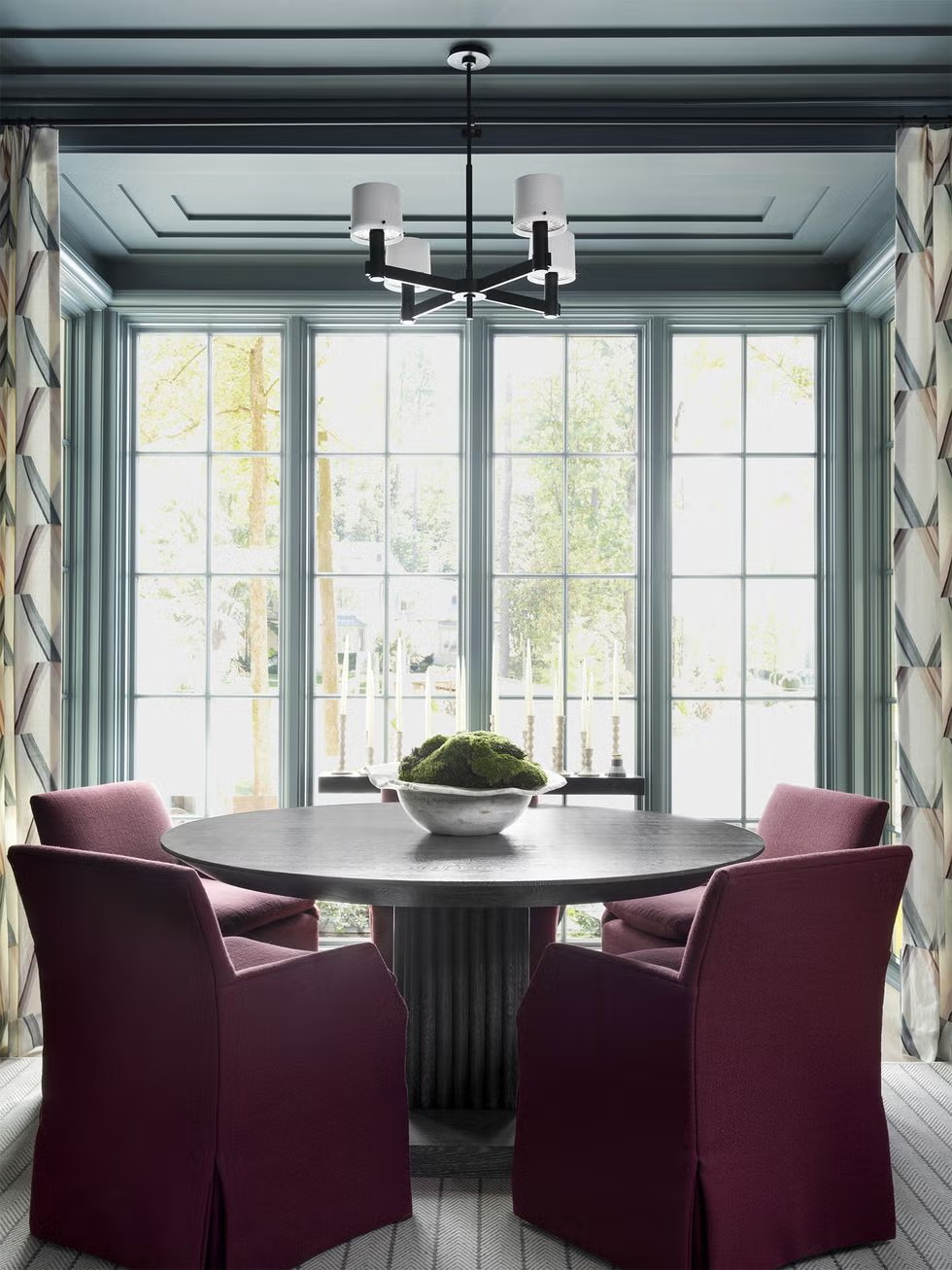
Tray ceilings add dimension by raising or recessing a central ceiling area and defining it with a visible perimeter. Effective tray ceiling ideas use that level change to improve proportion, lighting, or room identity rather than treating the recess as an isolated decorative box.
Even a shallow tray can make a plain rectangular room feel more architectural.
Use the Tray to Reinforce the Room’s Shape
A rectangular tray naturally suits bedrooms, dining rooms, and living rooms with clear furniture zones. The ceiling outline can echo the footprint of a bed, dining table, or central seating arrangement.
Square rooms can support centered trays, while elongated rooms often benefit from a longer rectangle. Keeping the shape related to the floor plan gives the ceiling an understandable visual purpose.
For additional interior planning inspiration, it can help to compare how overhead geometry relates to furniture placement and wall proportions.
Add Lighting Without Turning the Tray Into a Display
Perimeter lighting can emphasize the level change softly. Concealed LED strips, carefully positioned recessed lights, or a central fixture can each highlight different parts of the ceiling.
Using all three at maximum brightness can overwhelm the architecture. A better approach is deciding which element should lead. A chandelier may serve as the focal point while hidden perimeter lighting provides quieter evening illumination.
Broader decorative feature ideas can help when balancing one strong focal element against surrounding architectural details.
| Tray Detail | Effect | Best Use |
|---|---|---|
| Hidden perimeter light | Soft floating appearance | Bedrooms |
| Central chandelier | Strong focal point | Dining rooms |
| Contrasting inner paint | Defined ceiling zone | Large rooms |
| Simple white molding | Subtle dimension | Transitional spaces |
Experiment With Paint and Material
Painting the recessed center slightly darker than the perimeter can visually deepen the tray. A lighter central section may produce the opposite effect, making the ceiling feel more open.
Wallpaper, wood panels, or subtle texture can also be used inside the tray, but these treatments carry more visual weight. They’re usually most successful when walls and furnishings remain comparatively controlled.
Design inspiration from broader residential projects can be useful for observing how contrasting materials are balanced rather than repeated everywhere.
Connect the Ceiling With the Furniture Layout
A tray that centers on the room but ignores the furniture can feel oddly disconnected. Before choosing dimensions, identify the primary activity zone below.
In a bedroom, that usually means the bed. In a dining room, it may be the table. In an open-plan living area, the tray can help distinguish one functional zone without adding walls.
Use Trim Carefully
Crown molding can sharpen the tray edges, especially in traditional spaces. Modern rooms often look cleaner with crisp drywall transitions and little or no decorative molding.
The architecture should remain readable even after furnishings are added.
Where Tray Ceiling Designs Become Overworked
A tray already introduces a strong geometric feature. Adding multiple molding profiles, contrasting colors, extensive recessed lighting, wallpaper, and a decorative chandelier can make the ceiling compete with itself.
Another mistake is emphasizing a tray that is too shallow to read clearly. In that case, keeping the color treatment simple may produce a stronger result than trying to exaggerate every edge.
Frequently Asked Questions
Can a tray ceiling make a room look taller?
Yes, especially when the raised center is clearly defined and lighter colors keep the upper surface visually open. The effect depends on the actual ceiling proportions and surrounding trim.
What color should the inside of a tray ceiling be?
It can match the main ceiling for subtle depth or use a different shade for stronger definition. Darker colors usually create more contrast, while lighter tones tend to feel airier.
Should a tray ceiling always have lighting?
No. The architectural level change may provide enough interest by itself. Lighting should support the room’s practical needs rather than being added only because a tray exists.
Give the Ceiling One Clear Job
Decide whether the tray should define a furniture zone, add apparent height, frame a fixture, or create softer lighting. Once that purpose is clear, the design becomes easier to control. Simple proportions and disciplined detailing usually make the ceiling feel more intentional than adding every available decorative option.


