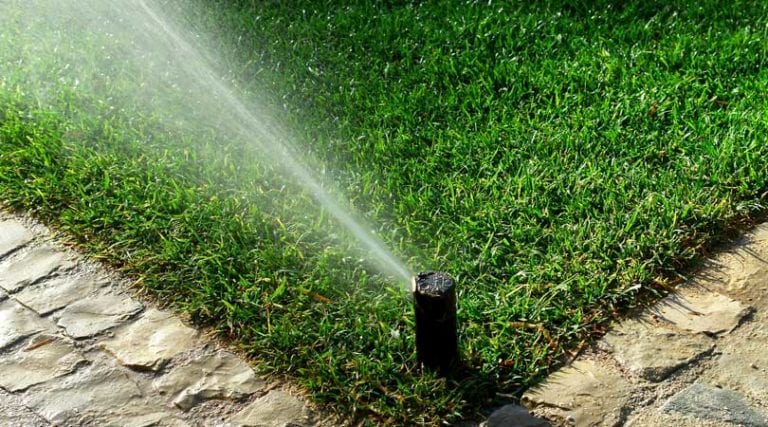
Installing a zone irrigation system installation is one of the most effective ways to achieve a healthy, water-efficient landscape in 2026. With rising water costs, unpredictable weather patterns, and smarter home technology becoming the new standard, homeowners and property managers are shifting toward zoned irrigation systems that deliver precision watering where and when it’s needed most.
A properly designed system ensures that lawns, garden beds, shrubs, and trees all receive the right amount of water based on their unique needs. This not only improves plant health but also reduces waste, lowers utility bills, and increases long-term property value. In this guest post, we’ll break down how zone irrigation systems work, why they matter, and what you need to know before investing in a professional installation.
What Is Zone Irrigation System Installation?
A zone irrigation system installation refers to dividing a landscape into multiple watering sections, or “zones,” each controlled independently. Instead of watering an entire yard the same way, each zone is programmed based on plant type, soil condition, sun exposure, and slope.
For example:
- Lawn zones may require frequent, shallow watering
- Shrub zones may need deeper, less frequent irrigation
- Flower beds often require delicate, targeted watering
- Tree zones need slow, deep hydration
This targeted approach ensures water efficiency and prevents overwatering or underwatering, two of the most common causes of landscape failure.
Why Zone Irrigation System Installation Matters in 2026
Modern landscaping is no longer about simple sprinkler timers. In 2026, homeowners expect systems that are intelligent, adaptive, and environmentally responsible. A professionally designed zone irrigation system installation offers several critical benefits:
1. Water Conservation and Efficiency
Water scarcity and rising utility rates make efficiency more important than ever. Zoned systems reduce waste by delivering precise amounts of water only where needed.
2. Healthier Landscapes
Plants thrive when they receive customized watering schedules. Overwatering can suffocate roots, while underwatering leads to stress and disease. Zoned irrigation solves both issues.
3. Smart Technology Integration
Modern irrigation controllers can sync with weather data, soil sensors, and mobile apps. This allows your system to automatically adjust watering schedules based on real-time conditions.
4. Long-Term Cost Savings
While installation requires an upfront investment, homeowners typically save significantly on water bills and plant replacement costs over time.
Key Components of a Zone Irrigation System Installation
Understanding the core components helps you make informed decisions when planning your system.
Irrigation Controller
The brain of the system, allowing you to schedule and manage each zone independently. Smart controllers now adjust watering automatically based on climate data.
Valves and Manifold
Each zone is controlled by a valve that opens and closes water flow. These valves are grouped in a manifold for efficient system management.
Sprinkler Heads or Drip Lines
Different zones require different delivery methods:
- Spray heads for lawns
- Rotor heads for large areas
- Drip irrigation for gardens and flower beds
Piping Network
Underground pipes distribute water throughout each zone. Proper pipe sizing ensures consistent pressure and coverage.
Sensors (Optional but Recommended)
Rain sensors, soil moisture sensors, and freeze sensors help prevent unnecessary watering and system damage.
Planning a Successful Zone Irrigation System Installation
Proper planning is the foundation of an efficient irrigation system. Before installation, professionals evaluate several key factors:
Landscape Layout
The yard is mapped into hydrozones based on plant needs and sun exposure.
Water Pressure and Flow Rate
Insufficient pressure can lead to uneven watering, while excessive pressure can damage components.
Soil Type
Sandy soil drains quickly and requires more frequent watering, while clay soil retains moisture longer.
Elevation and Slope
Sloped areas often need drip systems or specialized sprinkler placement to prevent runoff.
A well-planned system ensures every zone operates efficiently without wasting water or energy.
Common Mistakes to Avoid in Zone Irrigation System Installation
Many DIY installations fail due to avoidable errors. Here are the most common issues:
- Combining incompatible plant types in one zone
- Incorrect sprinkler head selection
- Poor pipe sizing or layout
- Ignoring water pressure limitations
- Overlapping or uneven spray coverage
- Lack of seasonal adjustment planning
Avoiding these mistakes requires experience and technical understanding, which is why professional installation is often recommended.
Smart Irrigation Trends Shaping 2026
The irrigation industry is rapidly evolving. A modern zone irrigation system installation now often includes smart features that improve efficiency and convenience.
AI-Based Watering Adjustments
Systems learn from weather patterns and plant performance to optimize watering schedules automatically.
Mobile App Control
Homeowners can manage irrigation zones remotely from smartphones, making adjustments anytime, anywhere.
Eco-Friendly Watering Algorithms
Advanced controllers reduce water usage by up to 30–50% through predictive scheduling.
Integration with Smart Home Systems
Irrigation systems now connect with platforms like Alexa, Google Home, and smart landscape hubs.
These innovations are transforming irrigation from a basic utility into a fully intelligent landscape management system.
Maintenance Tips for Long-Lasting Performance
Even the best system requires maintenance to stay efficient. Follow these best practices:
- Inspect sprinkler heads monthly for clogs or damage
- Adjust watering schedules seasonally
- Check for leaks in pipes and valves
- Clean filters and drip emitters regularly
- Winterize the system in colder climates
Routine maintenance ensures your system performs efficiently year-round and extends its lifespan significantly.
Why Professional Installation Makes a Difference
While DIY irrigation kits exist, professional zone irrigation system installation provides long-term value and reliability. Experts understand hydraulic balancing, zoning strategy, and system calibration, ensuring every part of your landscape receives optimal coverage.
Professionally installed systems also:
- Reduce water waste
- Prevent costly repairs
- Improve plant health outcomes
- Increase property value
- Ensure compliance with local water regulations
Working with experienced installers like Redwood Outdoor Designs ensures your irrigation system is designed for both performance and sustainability.
Healthy Landscapes Through Better Water Control
A well-planned zone irrigation system installation is one of the smartest investments you can make for your landscape in 2026. It combines efficiency, sustainability, and smart technology to create a healthier outdoor environment while reducing water consumption and maintenance stress.
As landscapes become more complex and environmental concerns continue to grow, zoned irrigation is no longer optional, it’s essential. Whether you are upgrading an outdated system or installing a new one, working with professionals ensures your system is built to last and optimized for modern conditions.
To learn more about professional irrigation solutions and installation services, visit: redwoodoutdoordesigns.