Understanding the Role of Rebar Supply in Project Performance
In commercial construction, rebar is a foundational component that directly affects structural integrity, scheduling, and cost control. For contractors and developers working across Ontario, sourcing reinforcing steel is not only a matter of price but also of consistency and reliability.
Large-scale builds often involve phased concrete pours, engineered specifications, and tight timelines. Delays or inconsistencies in rebar supply can disrupt sequencing and introduce risk into the project. This makes supplier selection a critical procurement decision rather than a routine purchase.
Ontario’s construction environment adds another layer of complexity. Projects may span urban centers like Toronto and Ottawa, as well as more remote regions where logistics and transportation can affect delivery timelines. A dependable supplier must be able to operate effectively across this range.
Key Criteria for Evaluating Supplier Reliability
When assessing an Ontario rebar supply partner, contractors should begin with core performance indicators. These include production capacity, inventory management, and delivery coordination.
A reliable supplier maintains sufficient stock or production capability to meet fluctuating project demands. This is particularly important for commercial builds where material needs can shift based on site conditions or design adjustments.
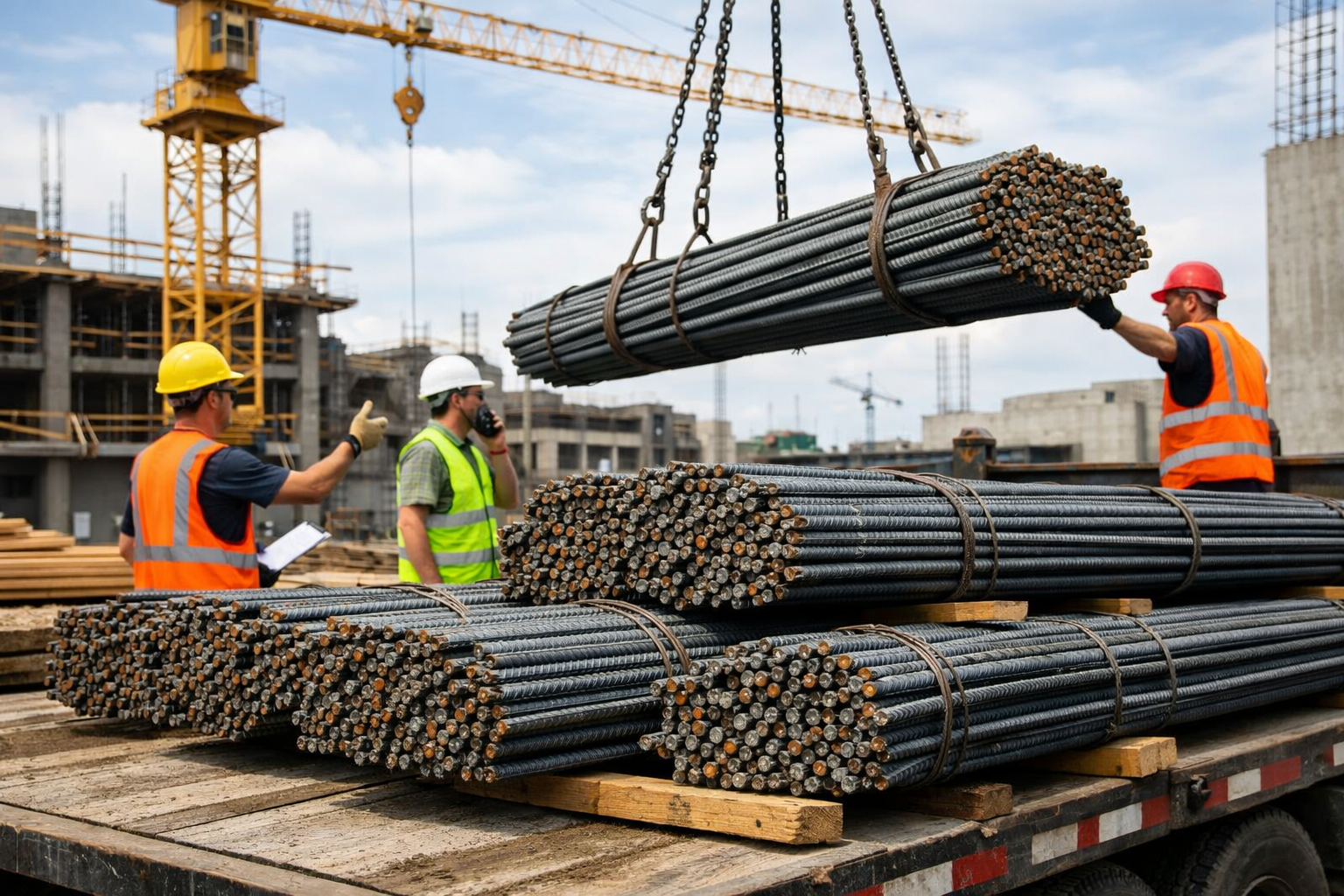
Delivery performance is equally important. Suppliers should demonstrate the ability to meet scheduled drop-offs and adapt to revised timelines. This includes clear communication between dispatch teams and site managers, as well as contingency planning for weather or transportation disruptions.
Another factor is fabrication capability. Many commercial projects require custom bending and cutting based on engineered drawings. Suppliers that offer in-house fabrication services can streamline the process and reduce the risk of errors.
Finally, transparency in pricing and documentation supports smoother procurement. Clear quotes, detailed invoices, and consistent communication help procurement managers maintain control over budgets and reporting.
Compliance and Quality Standards in Reinforcing Steel
In Canada, reinforcing steel must meet strict standards related to strength, composition, and manufacturing processes. For projects in Ontario, compliance with CSA standards is essential.
A qualified reinforcing steel supplier in Canada should provide documentation that verifies material specifications and testing results. This ensures that the rebar used on site meets engineering requirements and regulatory expectations.
Quality control processes also play a role. Suppliers should have established procedures for inspecting incoming materials, managing fabrication accuracy, and handling any defects or discrepancies.
Contractors may also consider suppliers with certifications or affiliations that indicate adherence to industry best practices. While certifications alone do not guarantee performance, they can signal a commitment to maintaining consistent quality.
Evaluating Regional Coverage and Logistics Capability
For commercial contractors managing multiple sites or large footprints, regional coverage is a key consideration. A supplier that operates across Ontario can offer more consistent service compared to one limited to a single area.
This becomes particularly relevant when evaluating a Rebar Supplier Ontario that supports projects in both urban and regional markets. Suppliers with broader coverage are often better equipped to coordinate deliveries, manage inventory across locations, and respond to project changes.
Logistics capability includes more than transportation. It involves route planning, fleet management, and the ability to handle varying site conditions. For example, downtown construction sites may require precise delivery windows, while rural sites may present access challenges.
An effective supplier will work closely with contractors to align delivery schedules with construction phases. This reduces on-site storage needs and helps maintain a clean and organized work environment.
Building Long-Term Supplier Relationships
Beyond individual projects, many contractors benefit from establishing long-term relationships with construction material suppliers in Ontario. A consistent supplier can develop a deeper understanding of a contractor’s processes, preferences, and project types.
This familiarity can lead to improved coordination and fewer misunderstandings. It also allows suppliers to anticipate needs and provide more proactive support.
From a procurement perspective, long-term relationships can simplify sourcing decisions and reduce administrative overhead. Instead of evaluating new suppliers for each project, teams can rely on established partners who have already demonstrated their capabilities.
However, these relationships should still be evaluated periodically. Performance metrics such as delivery accuracy, material quality, and responsiveness should be reviewed to ensure the supplier continues to meet expectations.
Aligning Supplier Selection with Project Goals
Each commercial construction project has its own priorities, whether related to timeline, budget, or complexity. Selecting the right rebar supplier involves aligning these priorities with supplier capabilities.
For example, a high-rise development in a dense urban area may require precise delivery coordination and advanced fabrication services. In contrast, an industrial project in a less congested region may place greater emphasis on volume capacity and cost efficiency.
Procurement managers should also consider how a supplier integrates with the broader project team. This includes communication with engineers, general contractors, and site supervisors. A supplier that collaborates effectively can contribute to smoother project execution.
In Ontario’s competitive construction landscape, the ability to secure reliable material supply can influence overall project success. By focusing on reliability, compliance, logistics, and long-term value, contractors can make more informed decisions when selecting a reinforcing steel partner.